Customised Introduction to Electoral Administration Modular Course
19-22 August 2025
Senegal
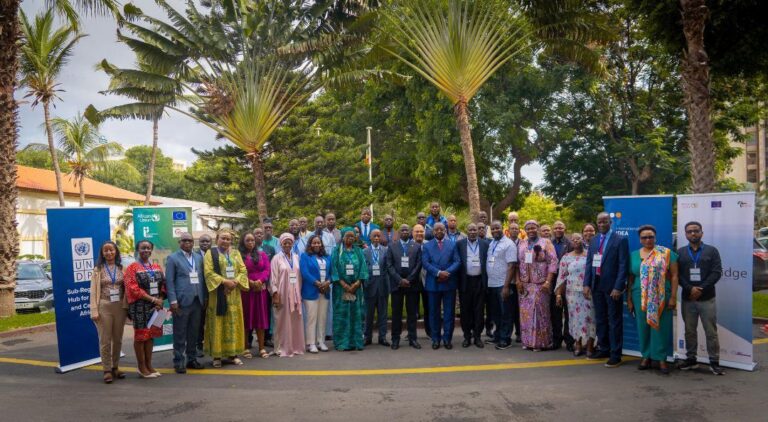
The African Union Commission partners with International IDEA and EMB Networks to conduct a BRIDGE Workshop
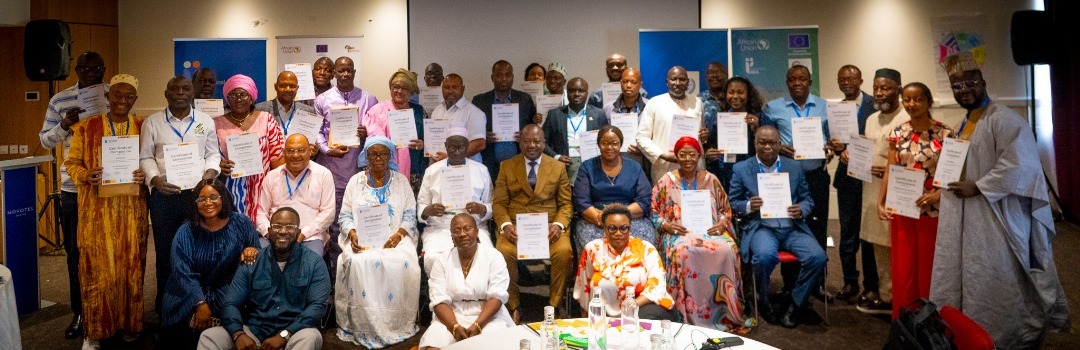
The African Union, in partnership with International IDEA under the EU-funded project “Strengthening Pan-African Capacities for Electoral Observation and Assistance,” organised a Building Resources in Democracy, Governance and Elections (BRIDGE) workshop on Introduction to Electoral Administration. The workshop brought together 30 participants from 16 selected Election Management Bodies (EMBs) in Africa, which are conducting elections in 2025, 2026, and 2027, along with representatives from the African Union Commission, International IDEA, and EMB Networks.
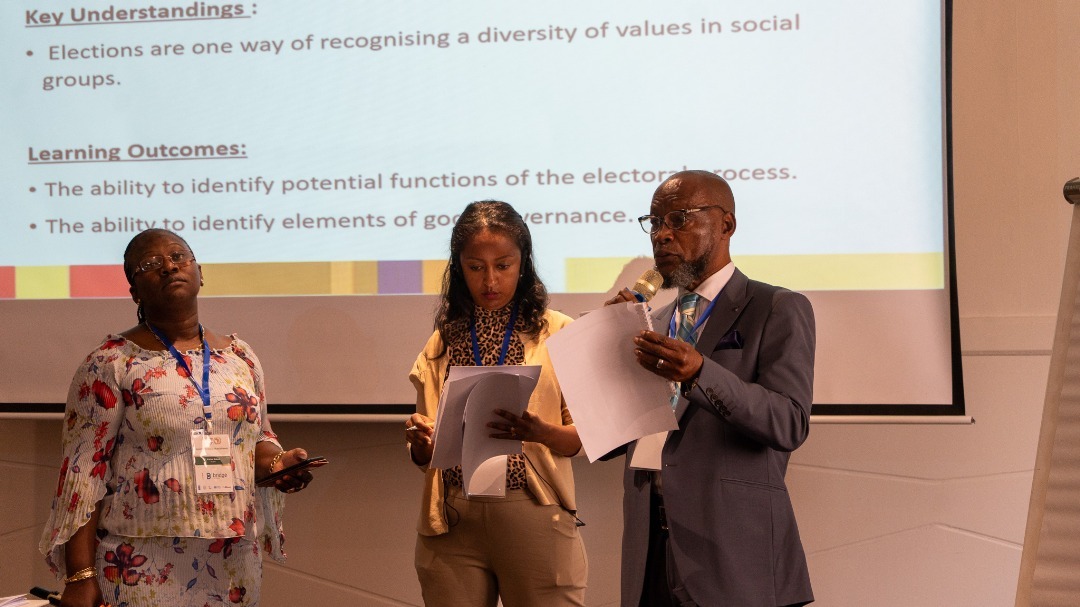
The facilitation team was led by Rindai Chipfunde Vava, supported by facilitators from Ibrahima A. Niang of UNDP Senegal, Karine Kakasi from the African Union, and Vera Muring of International IDEA. Together, this dynamic team leveraged their facilitation expertise to cultivate an inclusive and engaging learning environment, one that fostered meaningful peer exchange learning among EMBs.
The training was an outcome of the Reflection Meeting on Electoral Processes in Africa, jointly convened by the African Union (AU) and Regional Economic Communities (RECs) in April 2025, under the auspices of an EU-funded project. The objective of the workshop training was to strengthen the capacity of EMB Networks and EMBs in countries with upcoming elections in 2026 and 2027, equipping them with the necessary skills, knowledge, and professional development in internationally accepted principles of democracy and good electoral practices.
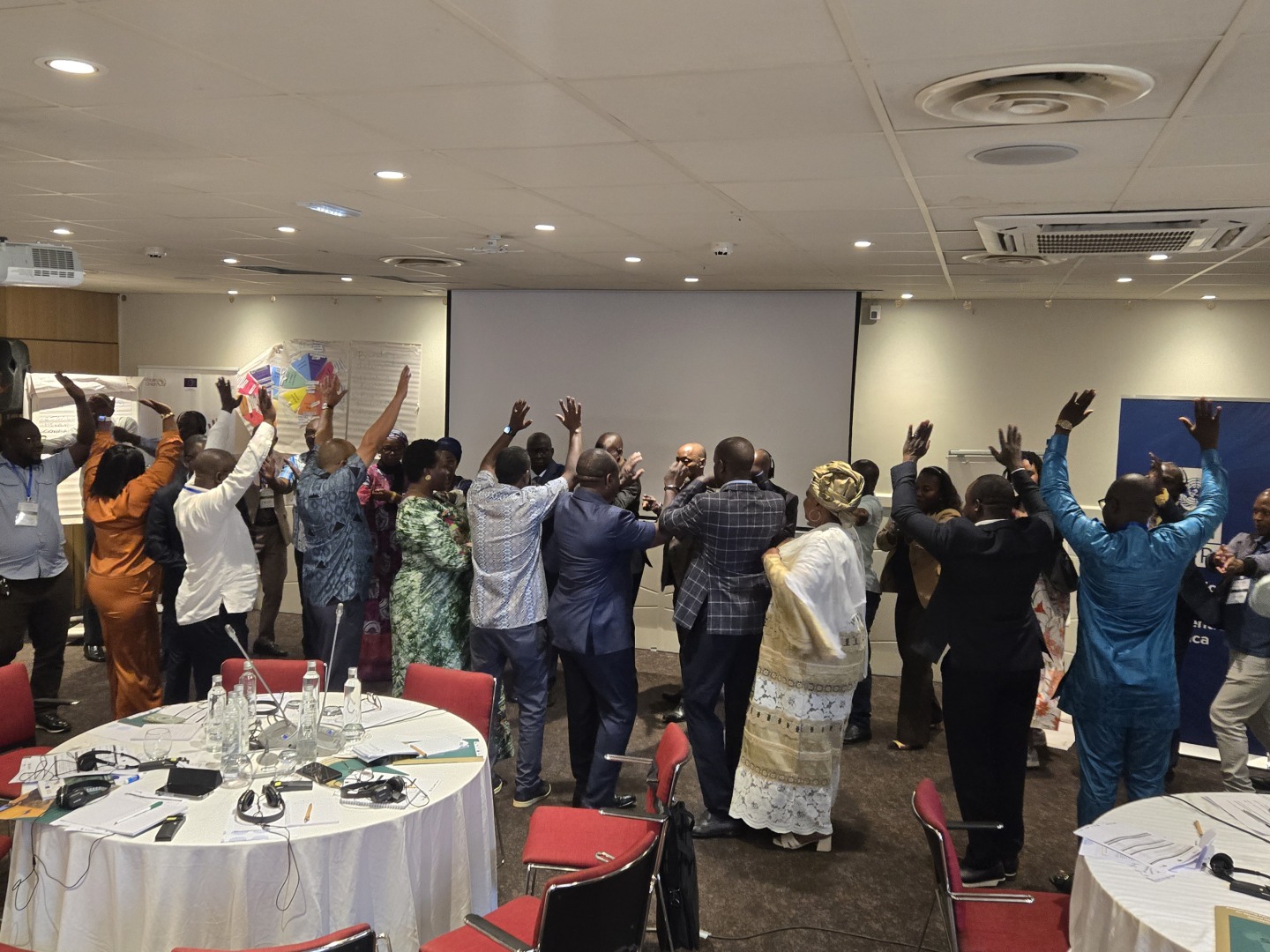
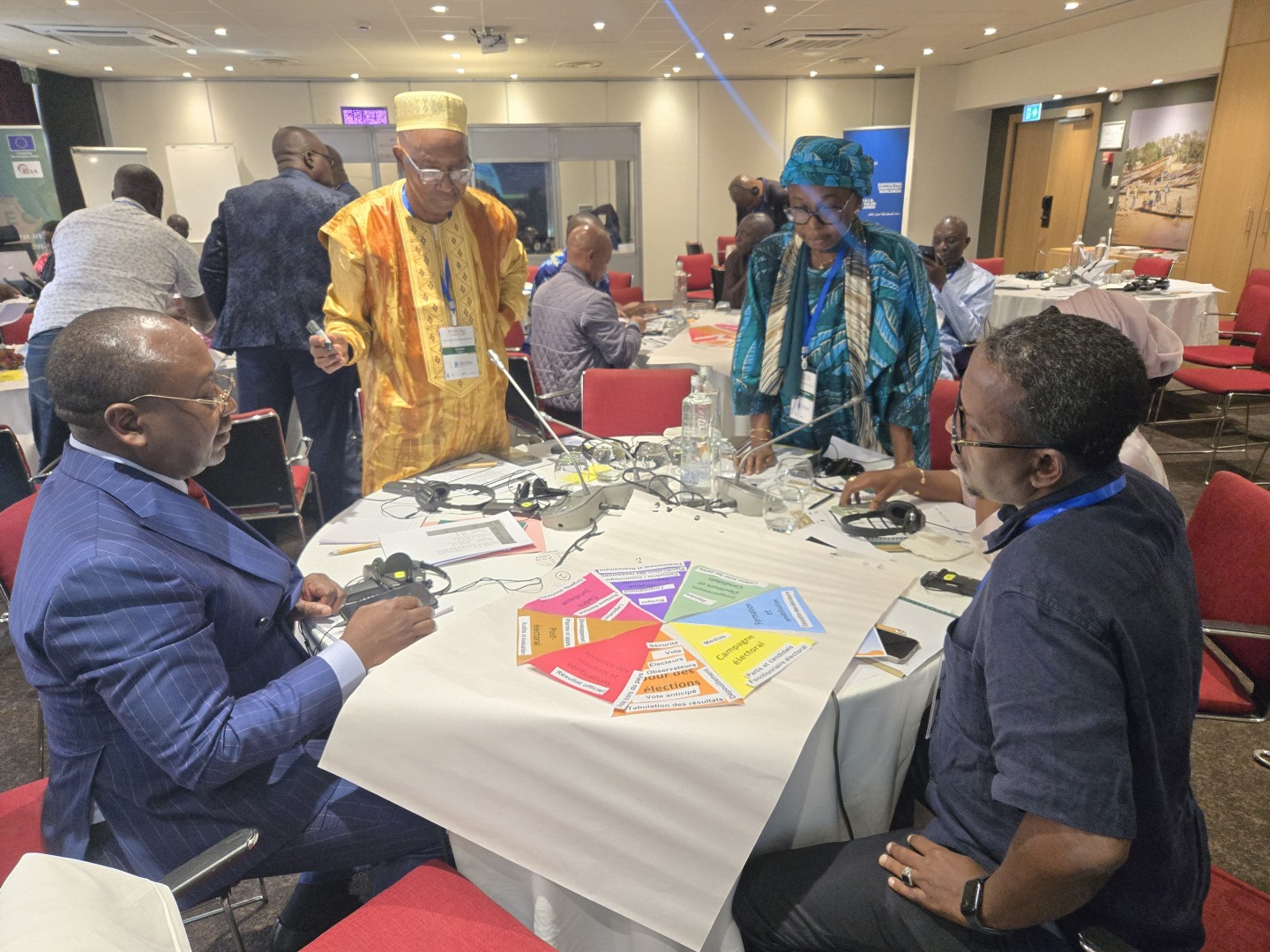
The four-day customised workshop focused on key operational modules, including Election Administration, Voter Education, Voter Registration, Logistics, and Results Management, as essential components of the electoral process. During these days, participants engaged in interactive and participatory sessions that incorporated simulations, case studies, and group work to facilitate practical learning and encourage active engagement.
A variety of facilitation techniques, including plenary sessions, structured debates, group discussions, and role-plays, fostered meaningful interaction and peer learning throughout the workshop. As part of the experiential learning approach, participants also created jingles and slogans, along with songs and a news podcast, to demonstrate their creativity and reinforce key messages in innovative formats. This hands-on engagement deepened conceptual understanding while infusing the sessions with practical, value-based insights that enriched the discussions and peer learning.
At the end of the workshop, participants affirmed that the training was both informative and practical, confirming that its objectives were fully achieved. Most participants stated that the skills gained will help them better develop strategies for targeting voter education, result management, and safeguarding electoral integrity with their EMBs.
The African Union and International IDEA reiterated their commitment to support EMBs through continued capacity building and promoting democratic elections in Africa. The facilitation team also expressed gratitude for the participants’ active engagement, which enriched the overall learning experience. Participants pledged to share insights within their institutions and apply key takeaways in their ongoing efforts to advance electoral integrity in their respective countries and regions.