Political Parties and Candidates modular workshop
2-5 February 2026
South Sudan
Strengthening Political Party Capacity for Democratic Elections in South Sudan
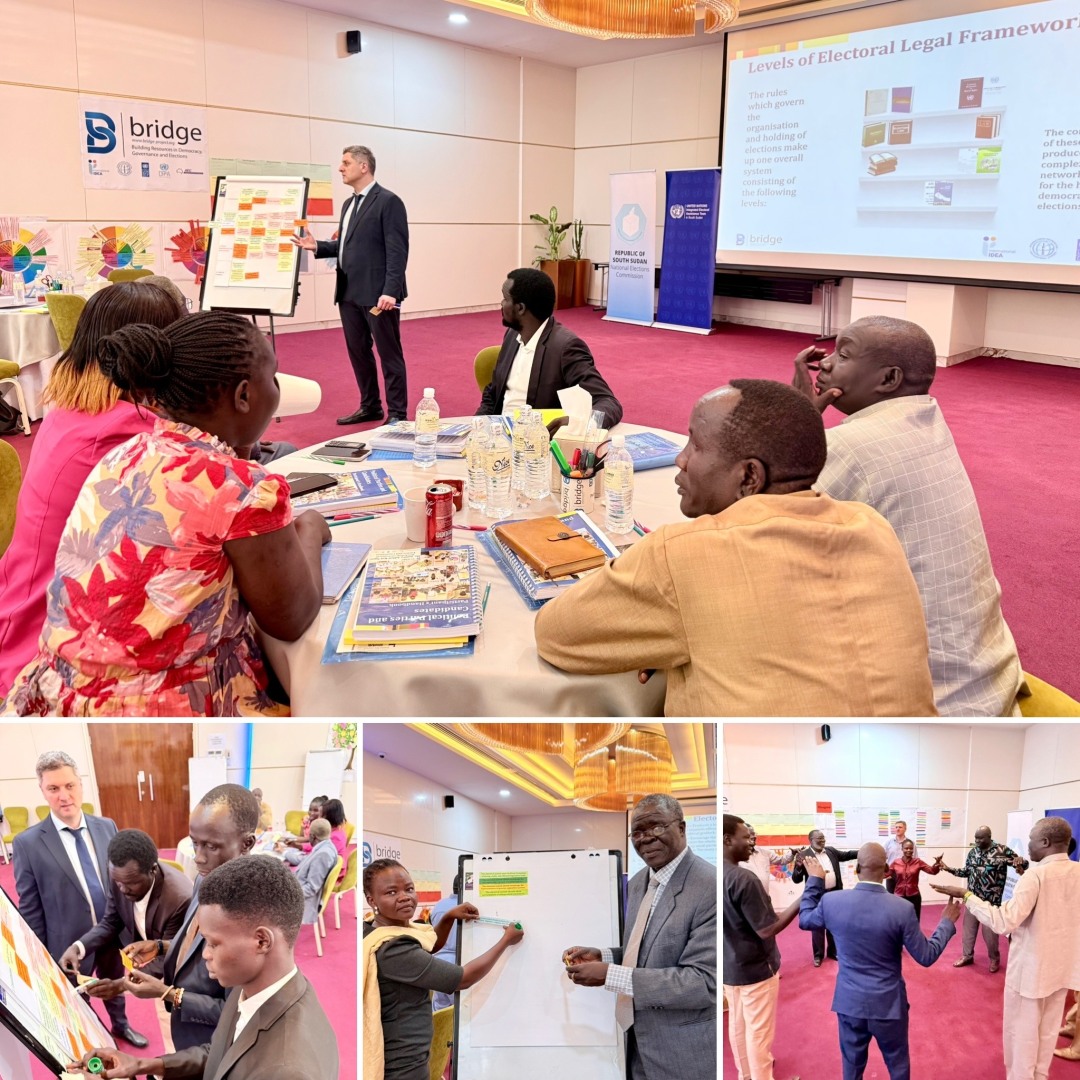
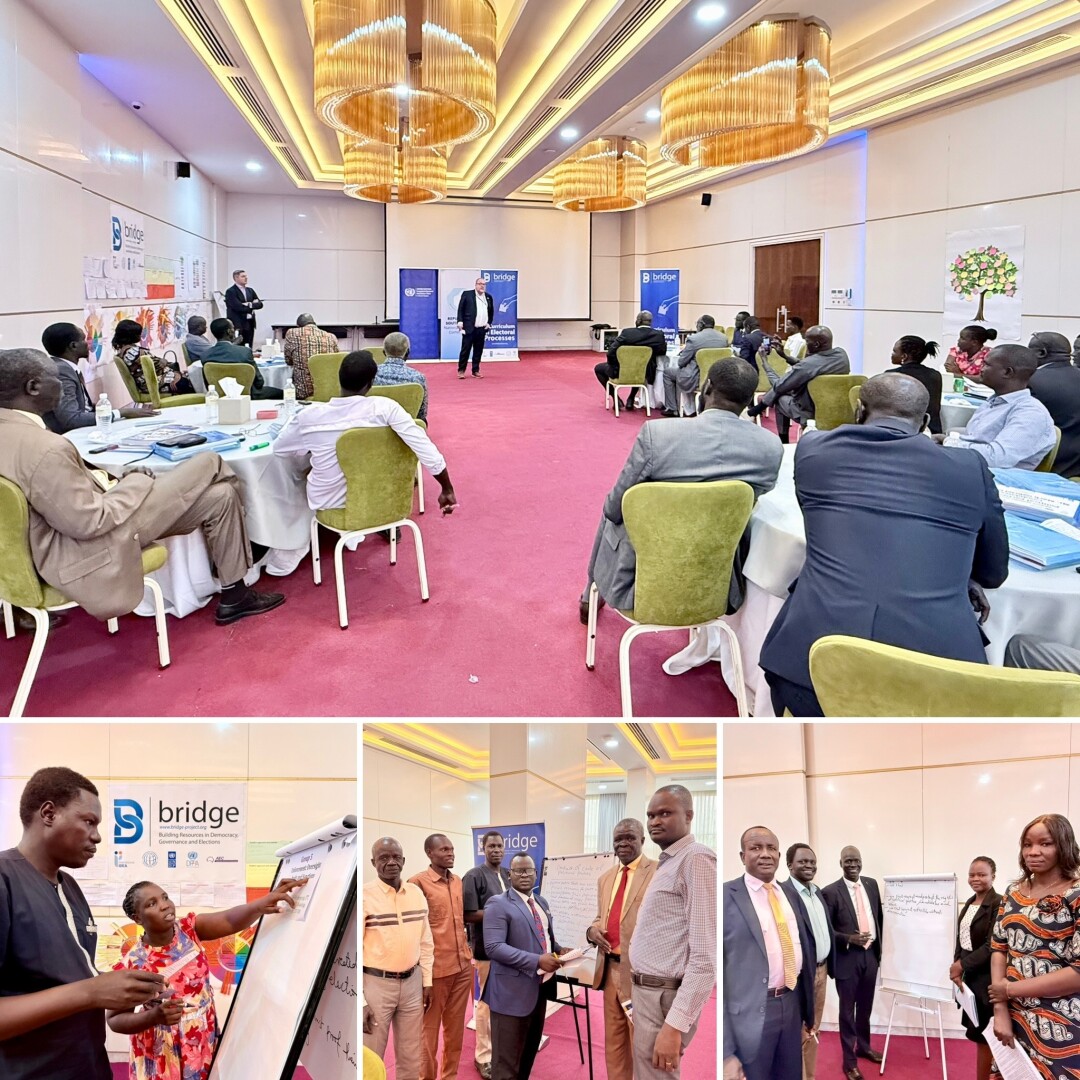
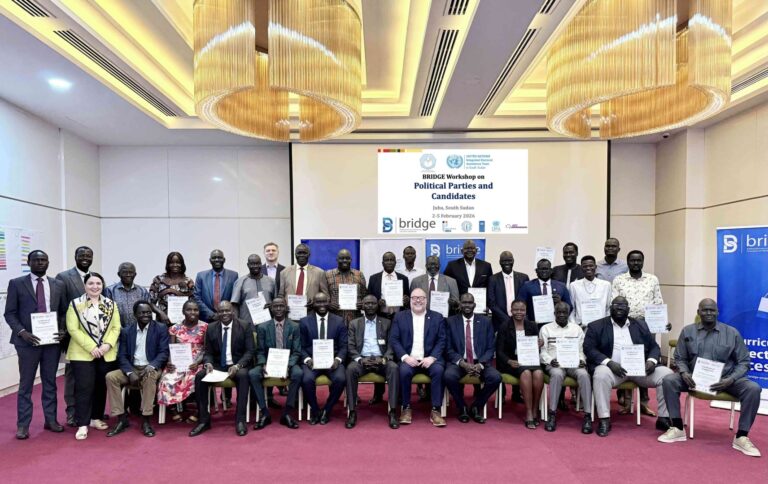
Building on the momentum of the first BRIDGE workshop in late January, the United Nations Integrated Election Assistance Team (IEAT) in South Sudan, together with the National Election Commission (NEC) and the UNMISS Political Affairs Division (PAD), convened a second modular training on Political Parties and Candidates from 2 to 5 February 2026 in Juba. Twenty-eight political party representatives – three women and 25 men – participated in the four-day programme, which continued the vital work of preparing South Sudan’s political actors for the electoral processes ahead. The workshop was opened by Gabriel Bol Deng, Secretary General of the National Election Commission, whose presence underscored the national commitment to ensuring that political parties have the capacity and knowledge necessary to contribute to credible, inclusive, and democratically sound elections.
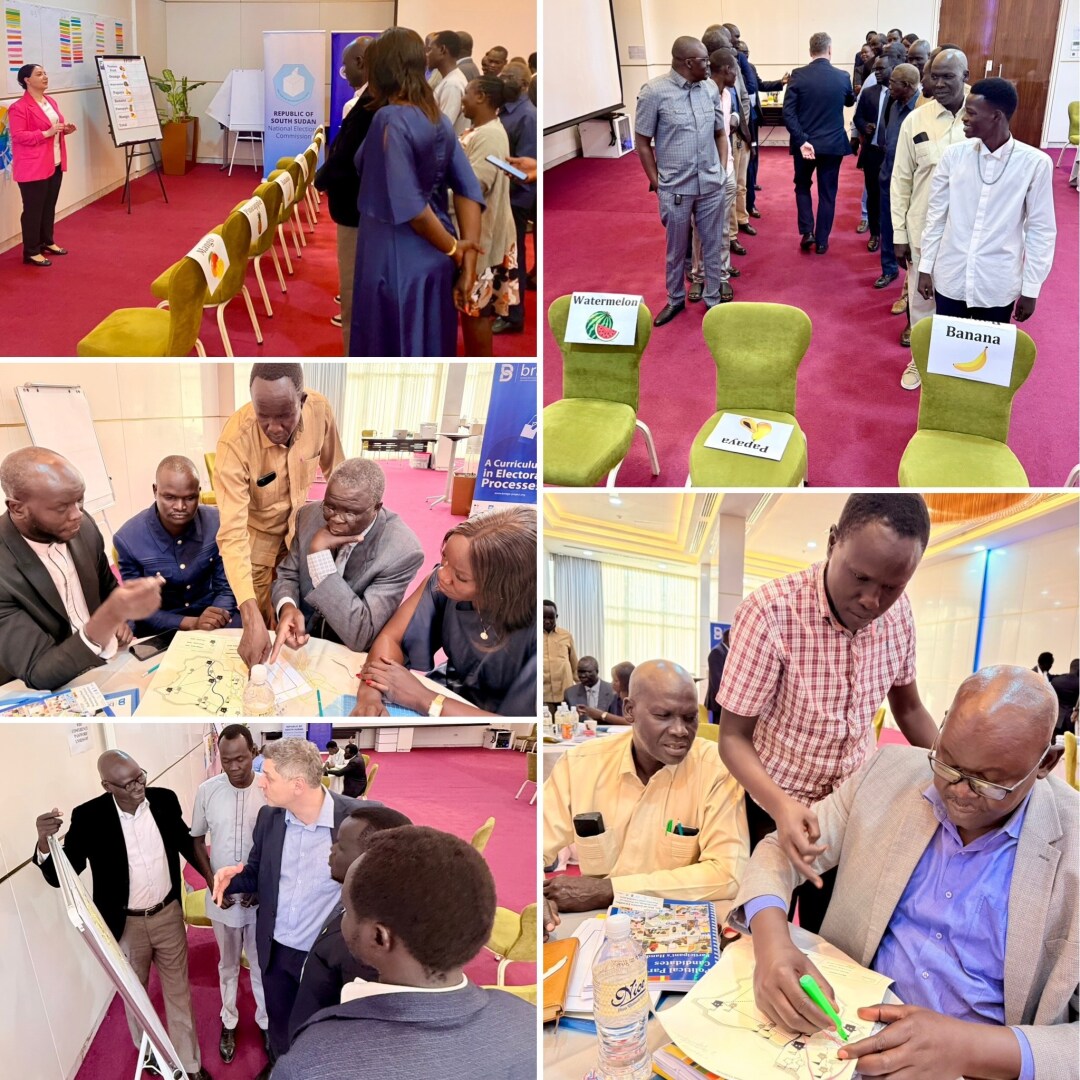
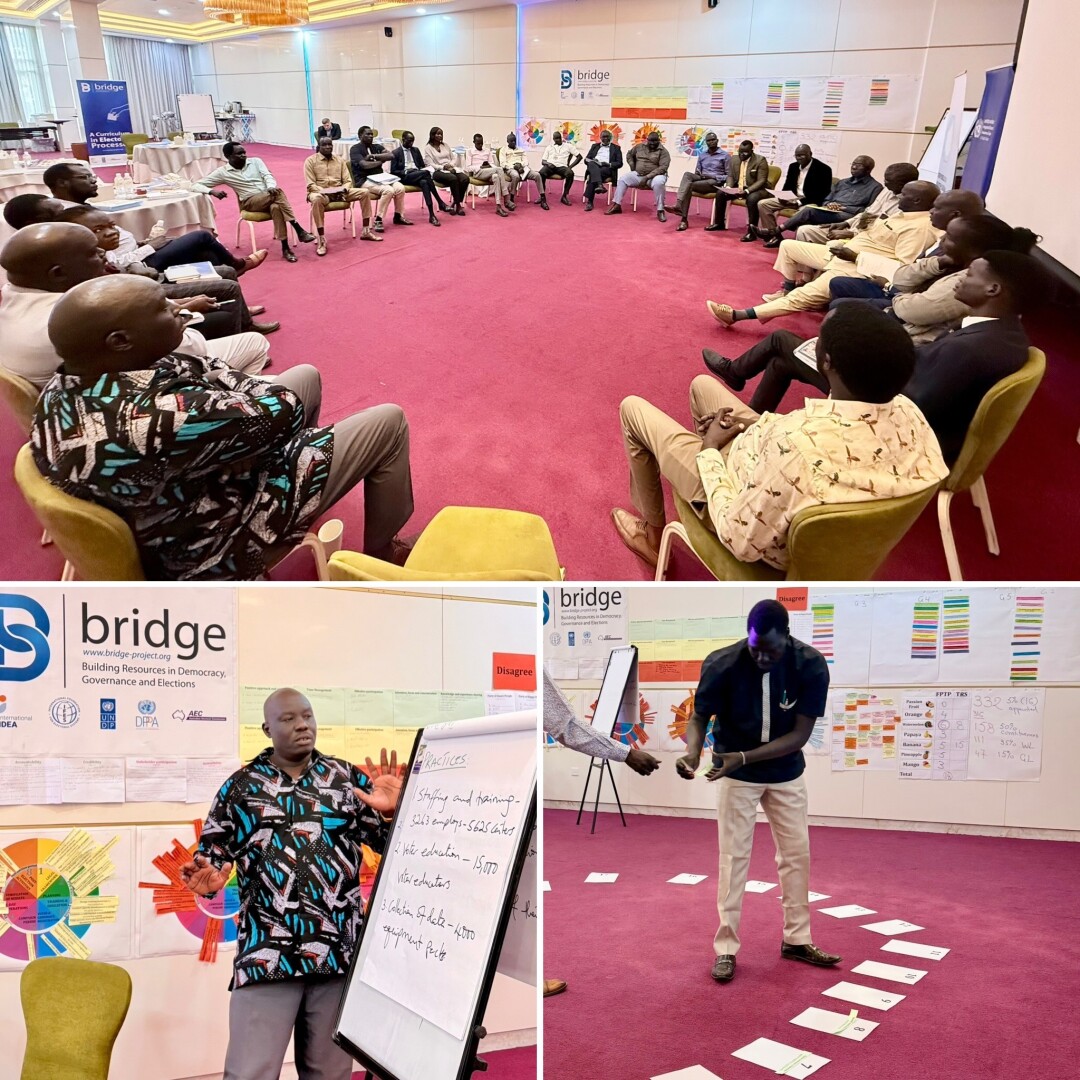
The workshop curriculum was custom-designed to address the specific needs and context of South Sudan’s political landscape. Participants were guided through the full arc of the electoral cycle, from foundational international standards and legal frameworks to the practical details of boundary delimitation, voter registration, candidate nomination, electoral systems, political financing, and codes of conduct. The pedagogical approach emphasised active learning through interactive sessions, case studies, and group discussions, enabling participants to not only absorb theoretical concepts but also apply them in practical scenarios.
International BRIDGE facilitators Natia Kashakashvili and Shalva Tskhakaya led the training, joined by national co-facilitator Barnaba Mayor Deng. This blending of global electoral expertise with deep local insight proved essential in tailoring the material to South Sudan’s realities. The facilitators’ commitment to clarity, responsiveness to participants’ questions, and skilful use of practical demonstrations were consistently highlighted in participant feedback as key strengths of the workshop.
Throughout the training, certain topics emerged as particularly resonant. The electoral cycle and its component stages were consistently noted as foundational, with participants appreciating the visual tools and frameworks that helped them map out the entire electoral journey. The legal framework governing elections in South Sudan, situated within international obligations and principles, provided critical grounding for understanding the rights and responsibilities of political parties. Group discussions and question-and-answer sessions were singled out as highly valuable learning methods, allowing participants to engage directly with the material and learn collaboratively from one another’s perspectives and questions.
Electoral systems and boundary delimitation attracted considerable interest on the second day, with participants noting that understanding the principles, criteria, and practical application of boundary drawing gave them concrete insight into how electoral geography shapes representation. The third day’s exploration of voter registration methodologies, guiding principles, and candidate nomination procedures – იncluding eligibility criteria and nomination challenges – was equally well received. Participants particularly valued the case studies and practical demonstrations, which translated abstract concepts into tangible examples. By the final day, sessions on political party finance regulations and the code of conduct for political parties and their representatives stood out as especially relevant. The collaborative group exercise in which participants worked together to draft a code of conduct was described as an excellent and engaging method of learning, reinforcing both content knowledge and cooperative skills.
Participants’ feedback was overwhelmingly positive, with the workshop described as informative, well-organised, and highly relevant to their roles as political party representatives. The facilitators’ clarity, professionalism, and interactive approach were praised repeatedly. At the same time, participants offered thoughtful recommendations for strengthening future training efforts.
The workshop concluded with closing remarks delivered by Darren Nance, Principal Election Adviser for UNIEAT, Peter Wani, Executive Secretary of the Political Party Council, and Manuel Makum, NEC Commissioner. All three speakers commended the dedication and active participation of the attendees and highlighted the importance of political parties as central actors in South Sudan’s democratic journey. Certificates were then awarded to all participants, formally recognising their engagement and completion of the programme. The ceremony served not only as a formal conclusion to the training but as a reaffirmation of the sustained commitment by IEAT, NEC, and PPC to continue supporting the development of political party capacity in the lead-up to the 2026 elections.