BRIDGE Mentoring and Coaching Programme for Independent Electoral Commission of Lesotho Staff
14-19 June 2026
Lesotho
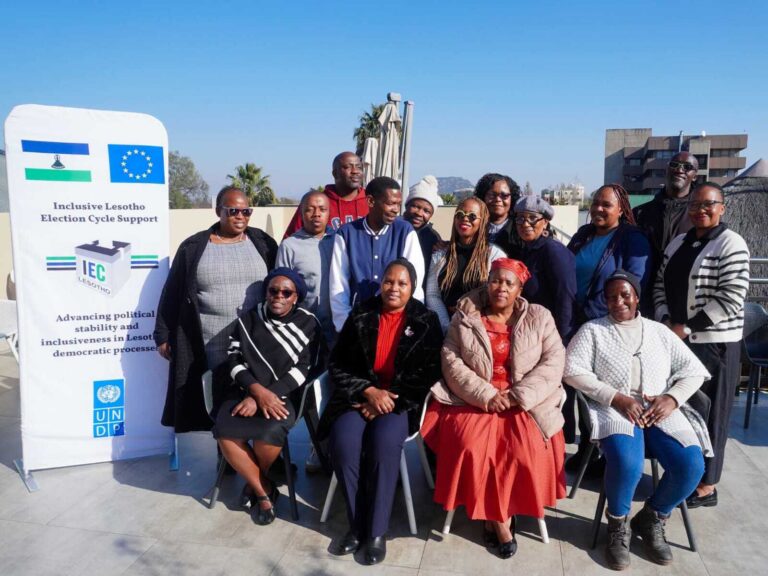
Strengthening Electoral Capacity Through BRIDGE Mentoring, Coaching and Curriculum Development in Lesotho
Maseru, Lesotho | June 2026
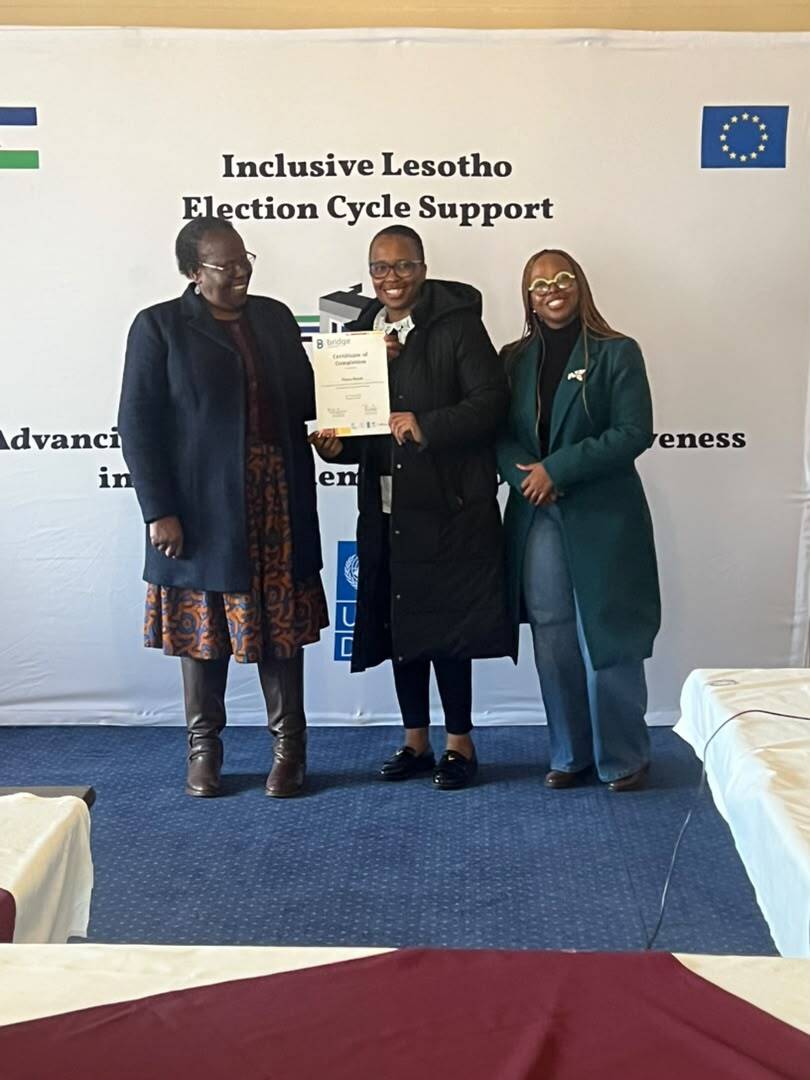
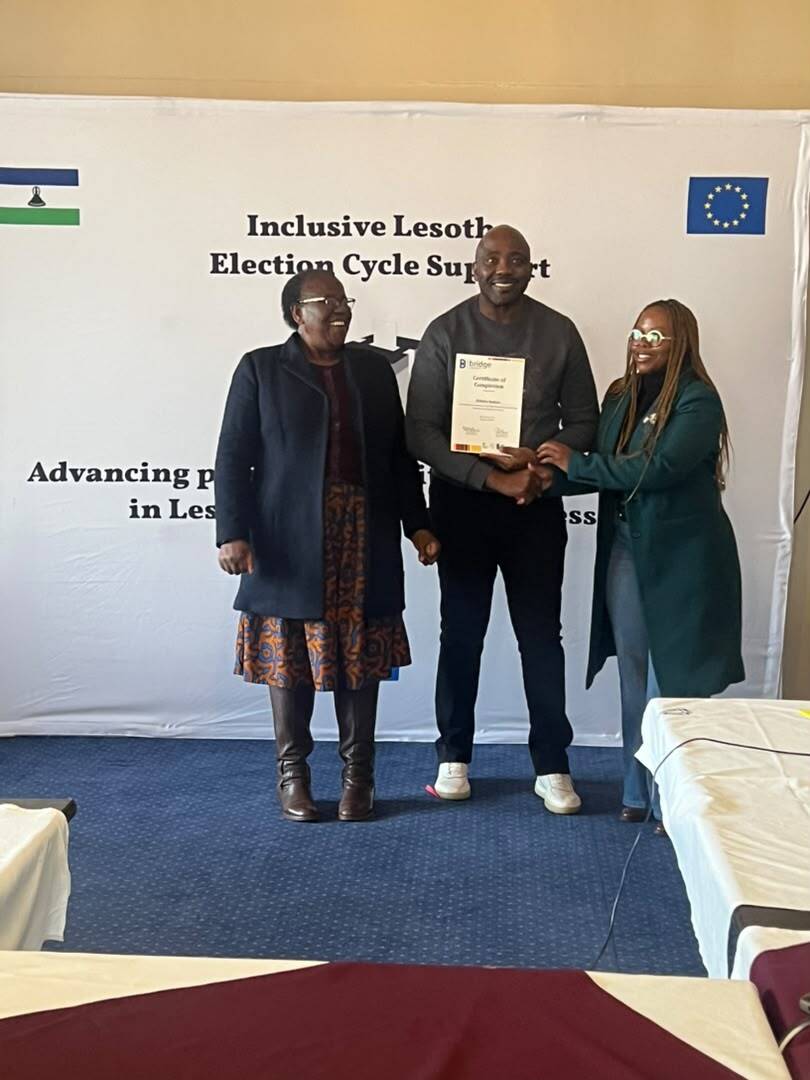
The Independent Electoral Commission (IEC) of Lesotho, with financial support from the United Nations Development Programme (UNDP) and the European Union (EU) through the Inclusive Lesotho Election Cycle Support Project, successfully conducted a comprehensive BRIDGE Mentoring, Coaching and Curriculum Writing Programme aimed at strengthening electoral professionalism, institutional capacity, and sustainable knowledge transfer within the Commission.
Held in Maseru during June 2026, the programme brought together IEC officials from headquarters and district offices for an intensive learning journey combining mentoring, coaching, facilitation development, and curriculum writing. The initiative forms part of broader efforts to strengthen the capacity of the IEC to administer inclusive, accessible, transparent, and credible electoral processes throughout the electoral cycle.
Building a Sustainable Culture of Electoral Learning
The programme was designed to address a growing demand for high-quality electoral training and to establish a sustainable in-house mentoring mechanism capable of developing future BRIDGE facilitators and curriculum developers. Through structured coaching and mentorship, participants enhanced their facilitation skills, training design competencies, and understanding of BRIDGE methodologies while progressing toward facilitator accreditation.
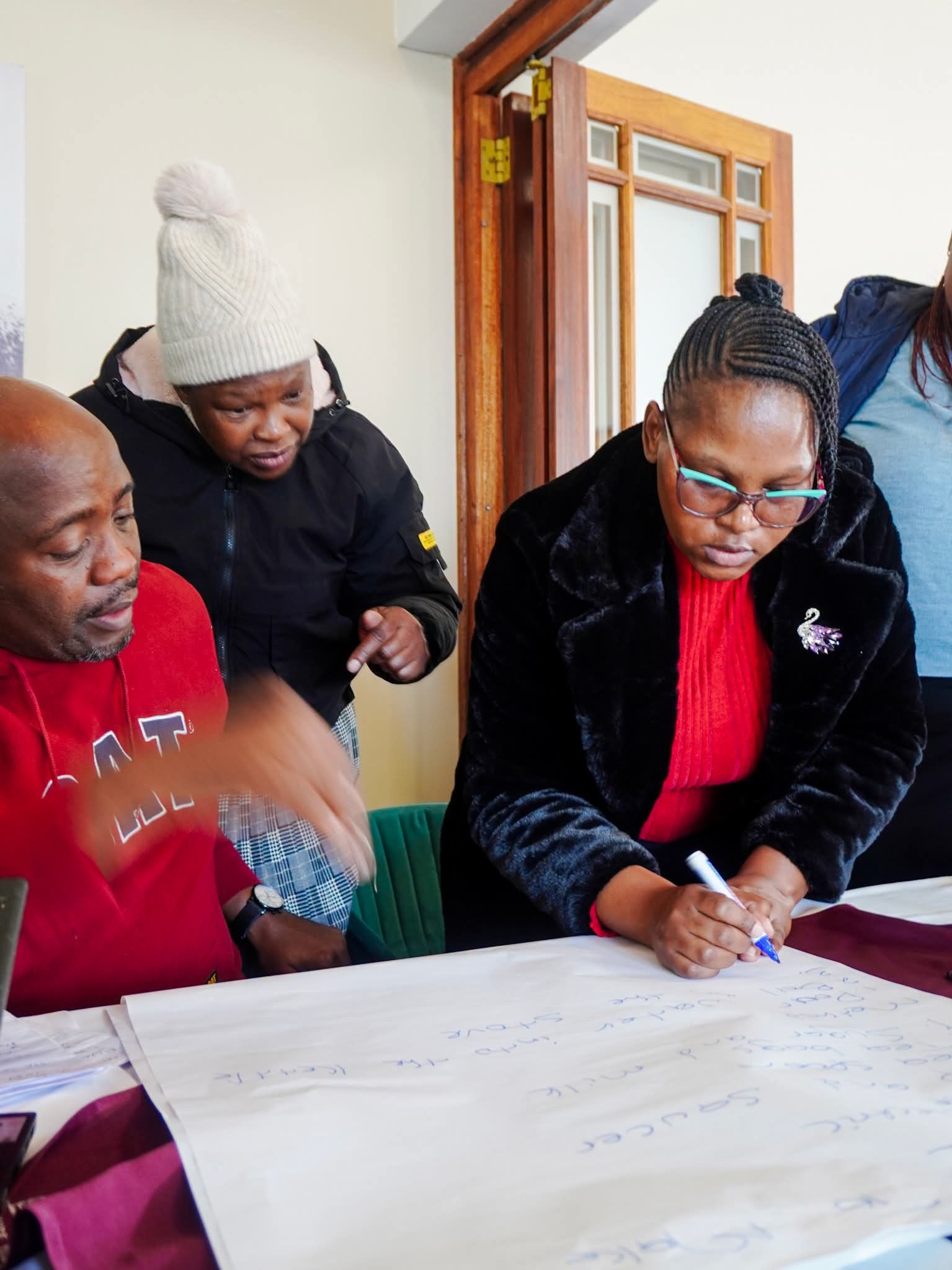
Facilitated by experienced BRIDGE practitioners Ms. Rindai Chipfunde Vava and Ms. Tomsie Dlamini, the programme created a dynamic and inclusive learning environment where participants actively engaged in practical exercises, simulations, presentations, peer reviews, and guided facilitation sessions.
The mentoring and coaching component exposed participants to the complete BRIDGE programme cycle—from workshop planning and agenda design to facilitation, reporting requirements, customization of materials, and participant engagement. This holistic approach helped participants appreciate the standards required for delivering quality BRIDGE training programmes.
Enhancing Facilitation Excellence
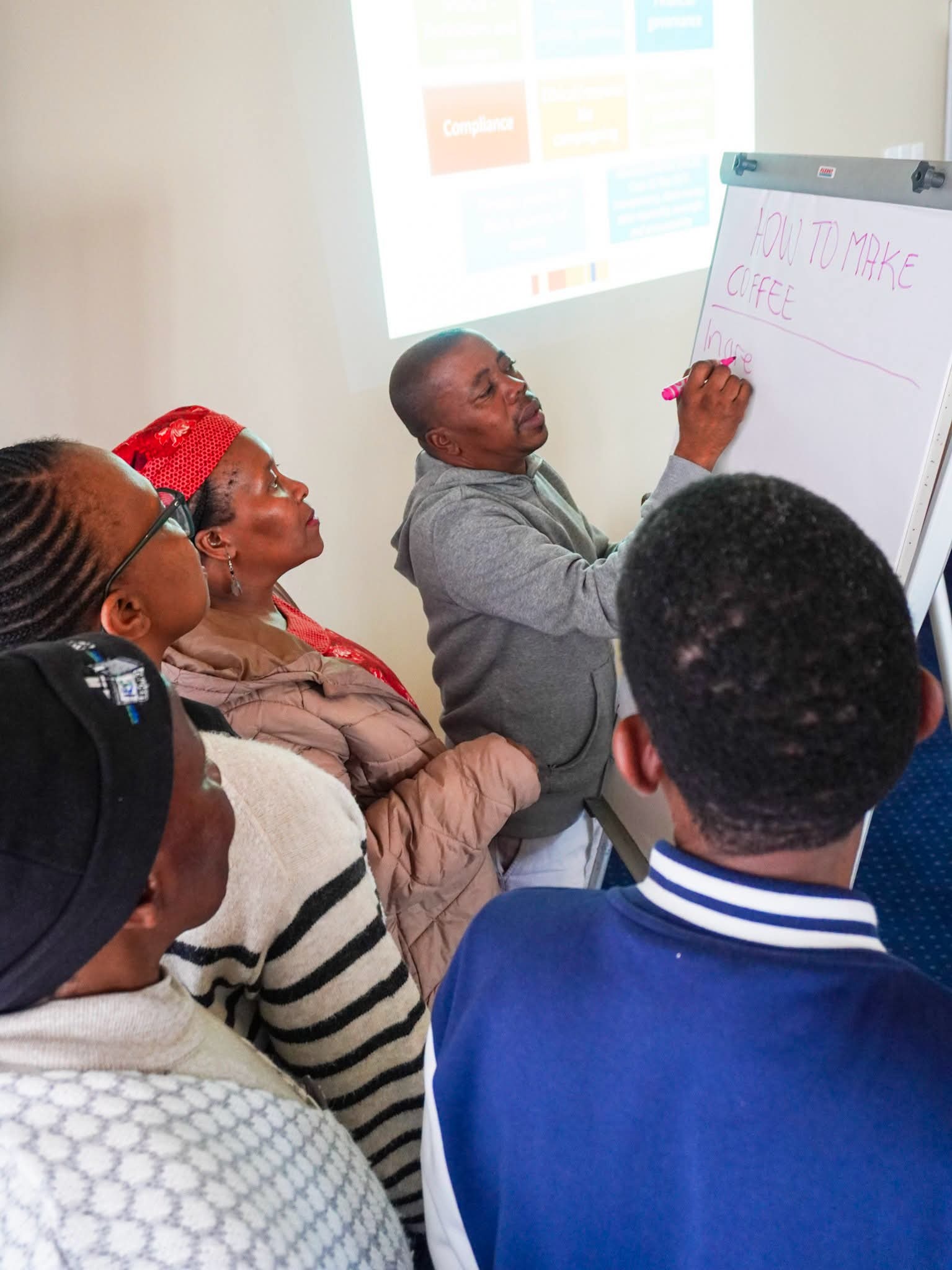
A five-day BRIDGE Coaching and Mentoring Course focused on adult learning principles, facilitation techniques, inclusion, cross-cultural awareness, agenda design, monitoring and evaluation, and constructive feedback mechanisms. Participants practiced facilitation through paired presentations, received one-on-one coaching, and reflected on their individual development plans for future BRIDGE engagement.
Interactive methodologies such as fishbowl discussions, buzz groups, group work, identity circles, learning style assessments, and practical facilitation exercises encouraged peer learning and meaningful interaction. The learner-centred approach ensured that participants not only gained theoretical knowledge but also developed practical skills that can be applied in future electoral training programmes.
By the end of the mentoring and coaching programme, participants demonstrated increased confidence in facilitating BRIDGE workshops and expressed readiness to contribute to future Training of Facilitators (TtF) initiatives and electoral capacity-building activities within Lesotho.
Developing a BRIDGE Curriculum on Political Party Financing
A key highlight of the programme was the five-day BRIDGE Curriculum Writing Workshop on Political Party Financing. Recognising the importance of transparency, accountability, and integrity in political finance, the workshop focused on developing a locally relevant and BRIDGE-compliant curriculum package tailored to the Lesotho context.
Participants strengthened their skills in instructional design, curriculum development, facilitation methodologies, agenda design, customization, and quality assurance. Working collaboratively, they drafted learning outcomes, facilitator notes, participant materials, PowerPoint presentations, practical exercises, and facilitator resources that will support future training on political party financing.
The curriculum covers critical thematic areas including:
- Campaign Finance Definitions and Principles;
- Legal Frameworks, Regulations, Policies and Guidelines;
- Financial Governance;
- Compliance and Accountability;
- Ethical and Responsible Campaigning;
- Gender-Responsive Campaign Financing;
- Stakeholder Relationships;
- Threats Posed by Illicit Sources of Money; and
- International Standards and Advocacy Efforts on Political Finance.
Through coaching, mentoring, peer review, and continuous facilitator support, participants refined the curriculum package and ensured alignment between learning outcomes, key understandings, and learning activities.
Promoting Inclusion and Institutional Sustainability
The programme emphasized inclusion, diversity, and learner-centred approaches throughout all activities. Sessions on gender awareness, inclusion, social identity, and cross-cultural understanding enabled participants to appreciate the importance of designing electoral programmes that are responsive to the needs of diverse stakeholders.
Equally important was the programme’s contribution to institutional sustainability. By developing a cadre of trained facilitators, mentors, coaches, and curriculum developers within the IEC, the initiative strengthens the Commission’s ability to independently deliver future electoral training programmes while reducing reliance on external expertise.
Positive Feedback and Lasting Impact
Participant evaluations reflected a high level of satisfaction with both the mentoring and curriculum writing components. Participants reported gaining practical curriculum writing skills, a deeper understanding of BRIDGE methodology, improved facilitation competencies, and greater confidence in using BRIDGE resources and tools. They also highlighted teamwork, co-facilitation techniques, social identity activities, and the supportive coaching environment as particularly valuable aspects of the programme.
The programme achieved several significant outcomes, including the development of a draft Political Party Financing curriculum package, production of facilitator and participant materials, strengthening of curriculum writing skills, enhancement of BRIDGE facilitation competencies, and expansion of a pool of future BRIDGE facilitators and curriculum developers within the IEC.
Looking Ahead
The next phase will focus on refining, piloting, and implementing the Political Party Financing curriculum while continuing mentorship and coaching support for emerging facilitators. These efforts will contribute to strengthening electoral governance, enhancing transparency and accountability in political financing, and building a resilient and self-sustaining electoral institution capable of responding to future democratic challenges.
Through the continued partnership between the IEC, UNDP, the European Union, BRIDGE facilitators, and electoral stakeholders, Lesotho is taking important steps toward strengthening electoral integrity and ensuring that democratic processes remain inclusive, transparent, and credible for all citizens.