BRIDGE in Support of the Inclusive National Dialogue in Mozambique – Maputo
29 June - 2 July 2026
Mozambique
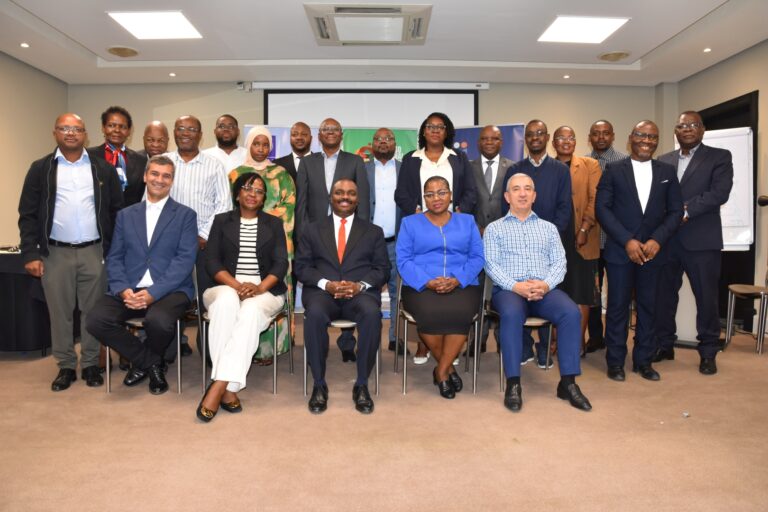
STRENGTHENING CAPACITIES FOR INCLUSIVE REFORM IN MOZAMBIQUE: BRIDGE WORKSHOP SUPPORTS INCLUSIVE NATIONAL DIALOGUE
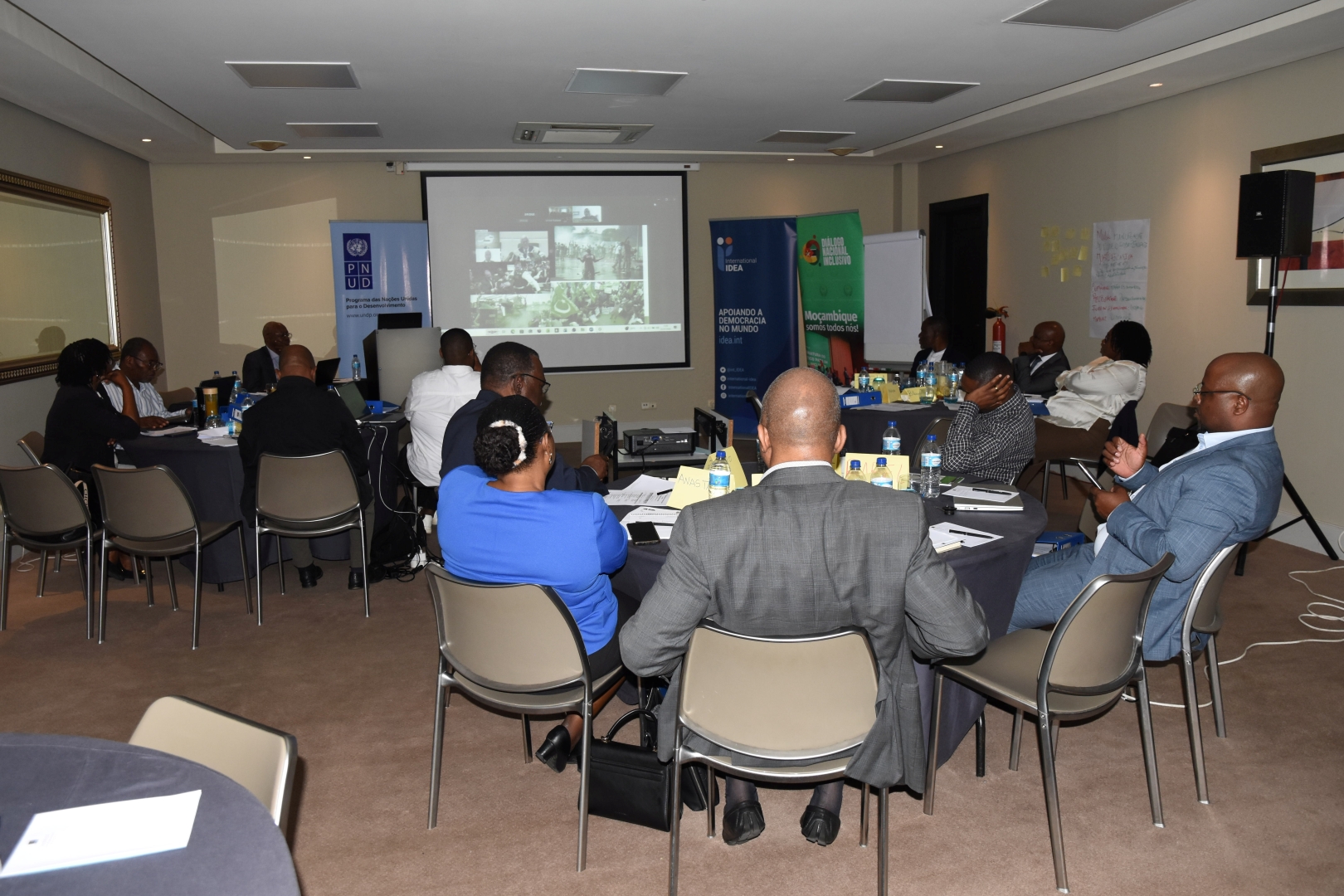
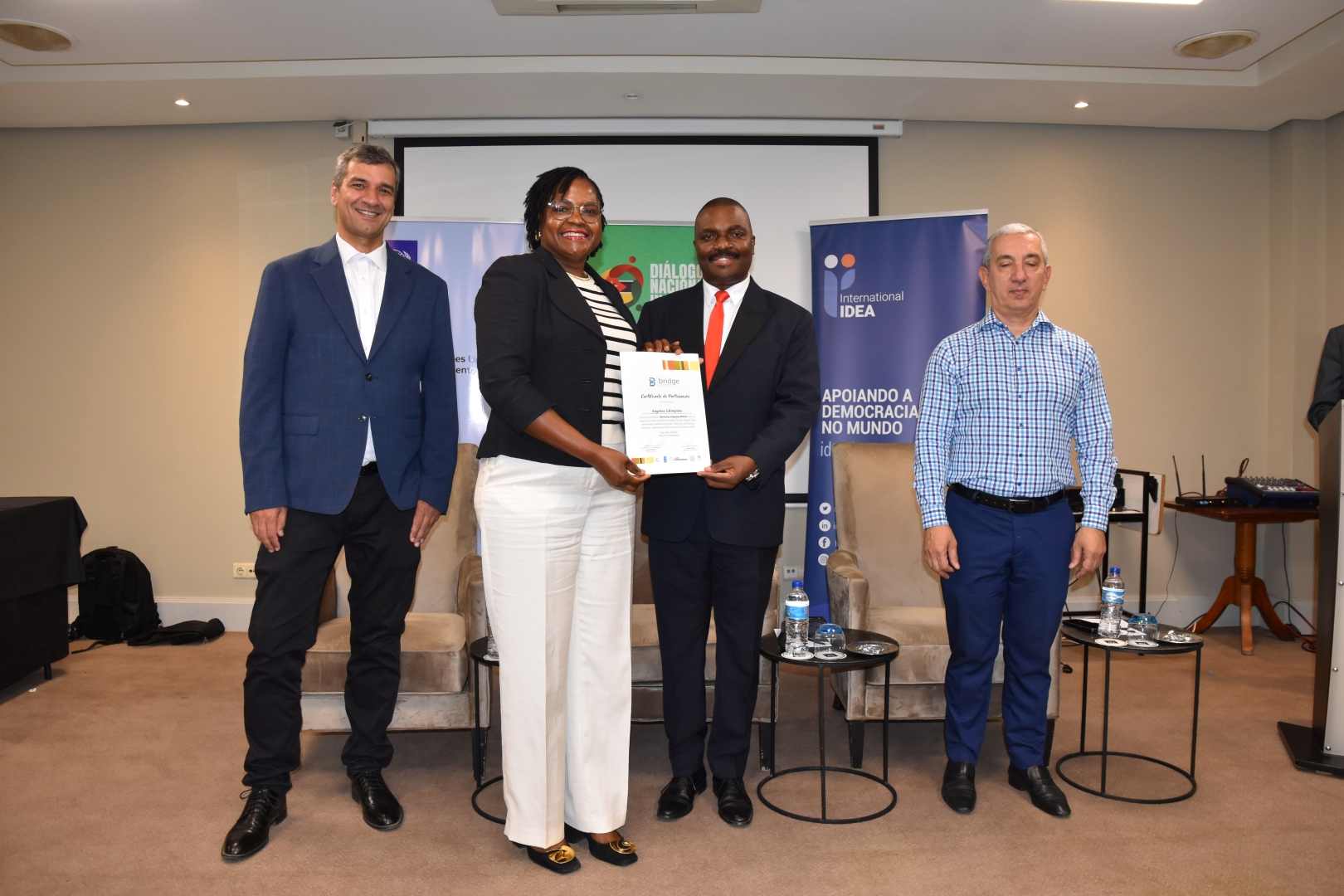
In support of Mozambique’s ongoing Inclusive National Dialogue process, the Technical Commission for Inclusive National Dialogue (COTE), in partnership with the United Nations Development Programme (UNDP) and International IDEA, conducted a second customised BRIDGE workshop from 29 June to 2 July 2026 in Maputo.
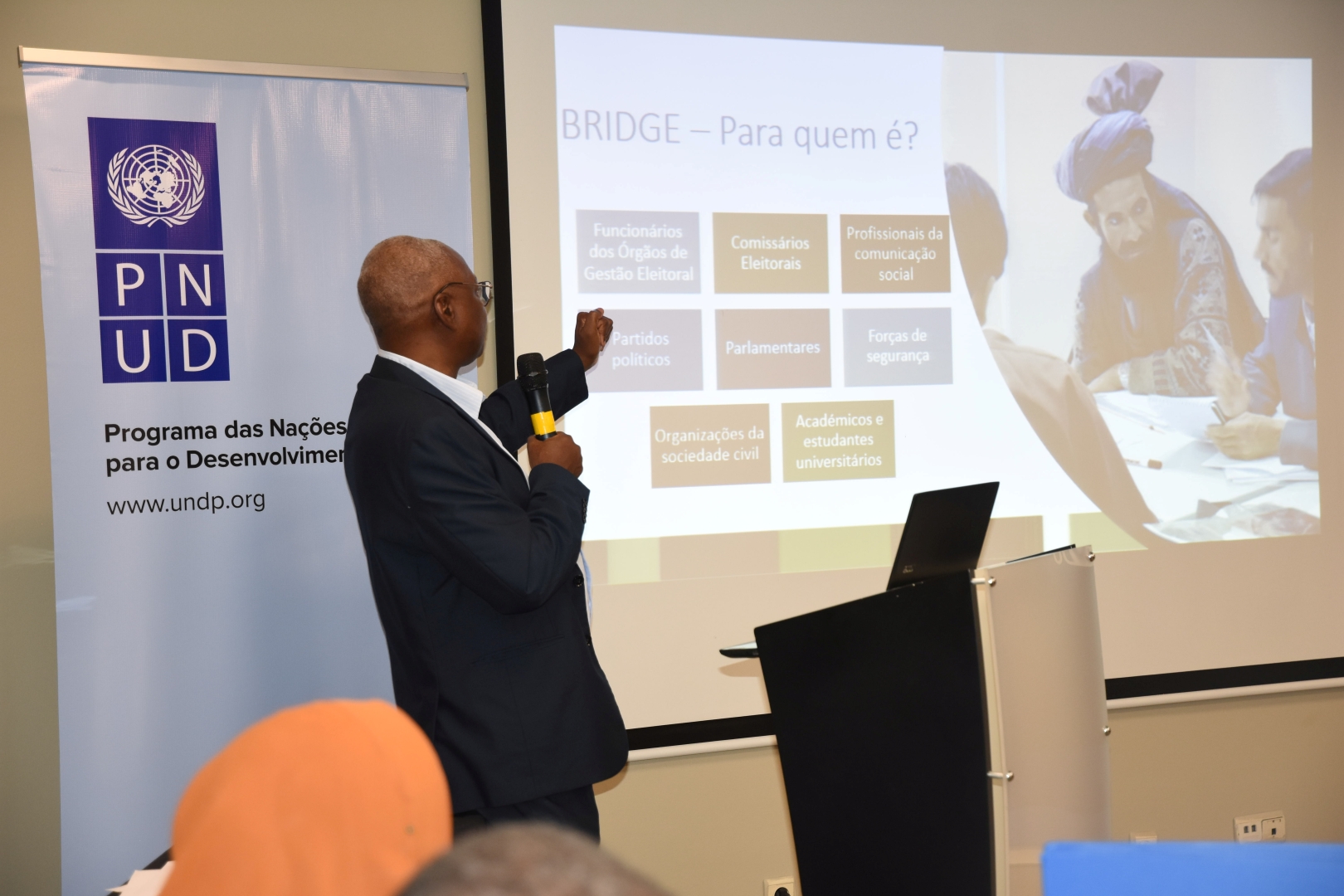
The workshop aimed to strengthen the knowledge and technical capacities of key stakeholders engaged in Mozambique’s reform process through the participatory and experiential learning approach of the BRIDGE programme. The customised training drew on four BRIDGE modules: Introduction to Electoral Administration; Legal Framework and Reform; Electoral Dispute Resolution; and Electoral Systems.
The four-day workshop brought together 17 participants, including 12 representatives from COTE and 5 representatives from the National Electoral Commission (CNE). Of the total participants, five were women and twelve were men, reflecting efforts to promote inclusive participation in capacity-building initiatives supporting Mozambique’s reform process.
During the opening session, the Chairperson of COTE highlighted the timeliness and relevance of the BRIDGE workshop in strengthening the capacities of actors engaged in the Inclusive National Dialogue process. He underscored the importance of presenting possible scenarios to inform the next phase of consultations, enabling a deeper analysis of citizens’ proposals and fostering consensus around key reform priorities. He further called for a dedicated workshop for the signatories of the Political Commitment for Inclusive National Dialogue to strengthen their engagement, ownership, and active contribution to the process.
The workshop provided participants with an opportunity to deepen their understanding of key concepts related to electoral governance, reform processes, and international standards, while reflecting on their relevance within the Mozambican context. The training also contributed to strengthening cooperation, trust, and constructive dialogue among stakeholders engaged in the Inclusive National Dialogue process.
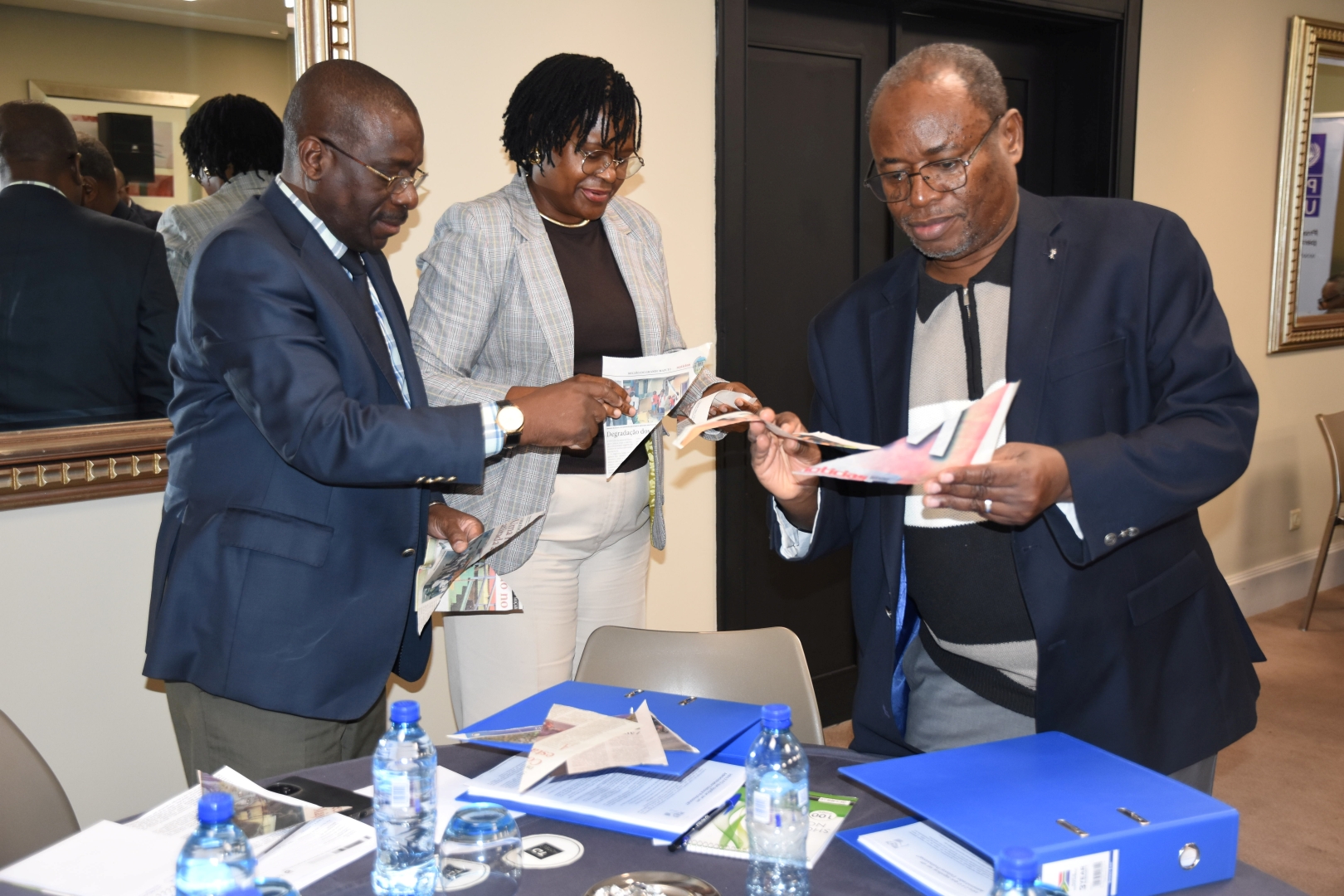
Designed to respond to Mozambique’s current reform priorities, the customised BRIDGE workshop applied BRIDGE’s internationally recognized methodology, combining practical exercises, simulations, case studies, group discussions, critical reflection, and consensus-building activities. Sessions also included contributions from subject matter experts, allowing participants to connect international experiences and regional perspectives with Mozambique’s institutional and reform realities.
The workshop was made possible through the generous support of Canada, the European Union, Germany, Norway, Spain, and the United Kingdom, whose contributions continue to support initiatives aimed at strengthening democratic governance, inclusive dialogue, and institutional capacities in Mozambique. Representatives of UNDP and International IDEA reaffirmed their commitment to supporting democratic governance and strengthening the institutional capacity of the Inclusive National Dialogue stakeholders through continuous learning and professional development.