Participatory electoral processes for people with a disability
23-27 June 2025
Lesotho
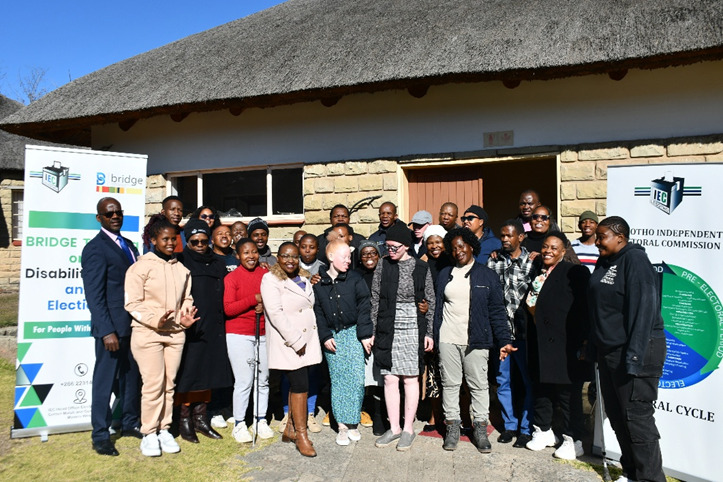
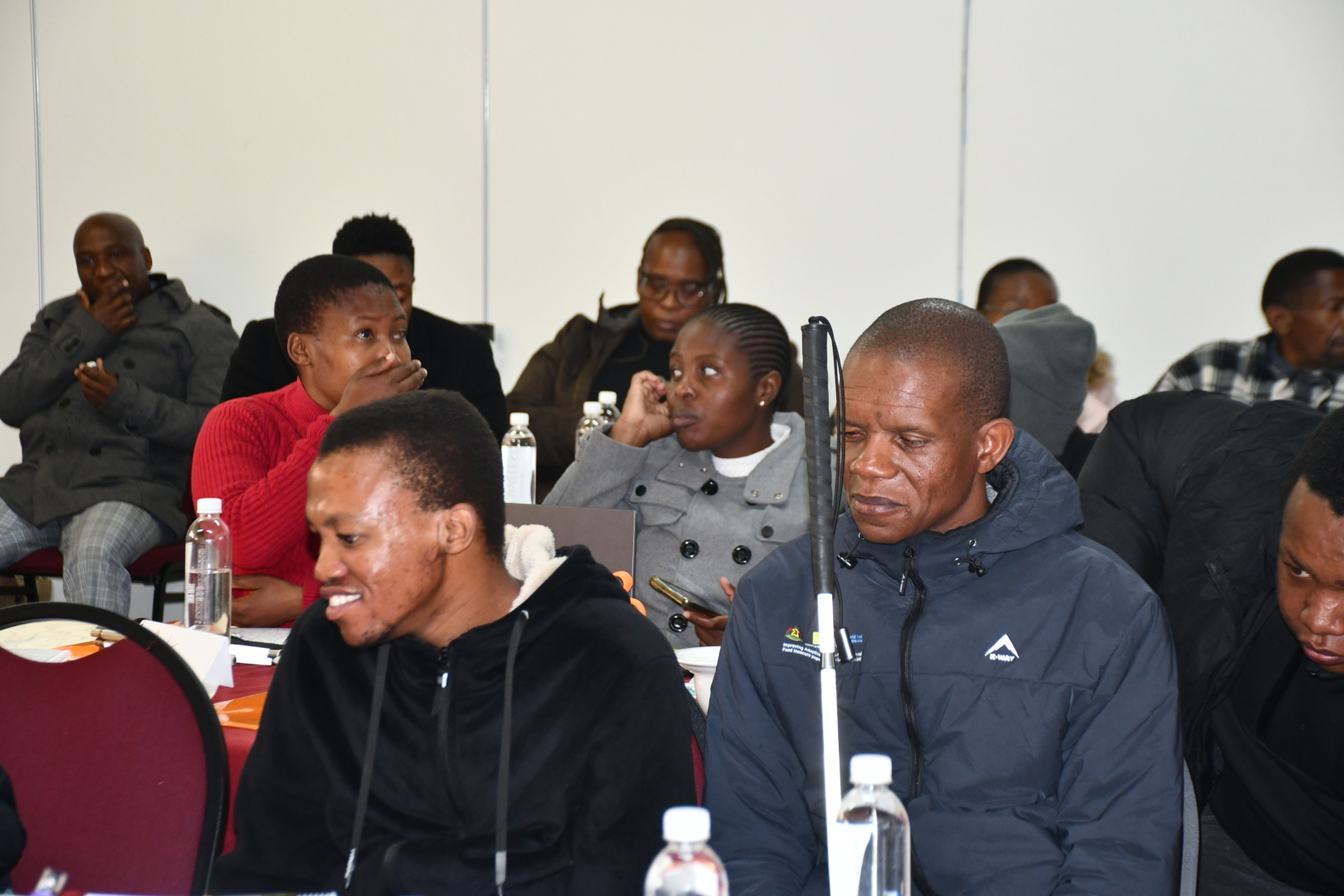
The Independent Electoral Commission (IEC) of Lesotho successfully conducted a BRIDGE (Building Resources in Democracy, Governance and Elections) Workshop on Disability Rights and Elections from 24–27 June 2025. four-day workshop brought together 25 participants, including people with disabilities and Voter Education Assistants (6), to strengthen understanding of inclusivity, accessibility, and representation of persons with disabilities in electoral processes, and provide a networking opportunity for advocacy groups, as well as specific tools to analyse the electoral structures and procedures and develop strategies to promote access for people with disabilities.
The aim of the workshop
The aim of the workshop was to expose people with disabilities and IEC Educators for people with disabilities on the human rights together with their civil and political rights. It was further aimed at creating awareness on roles and responsibilities of people with disability on the electoral process.
Participants of the workshop
Participants of this training were drawn from the following types of disabilities:
- Deaf impairment / hard hearing disabilities
- People with visual impairment disabilities
- People with intellectual / psychosocial disabilities
- People with physical disabilities
- Albinism
- Visually impaired and deaf
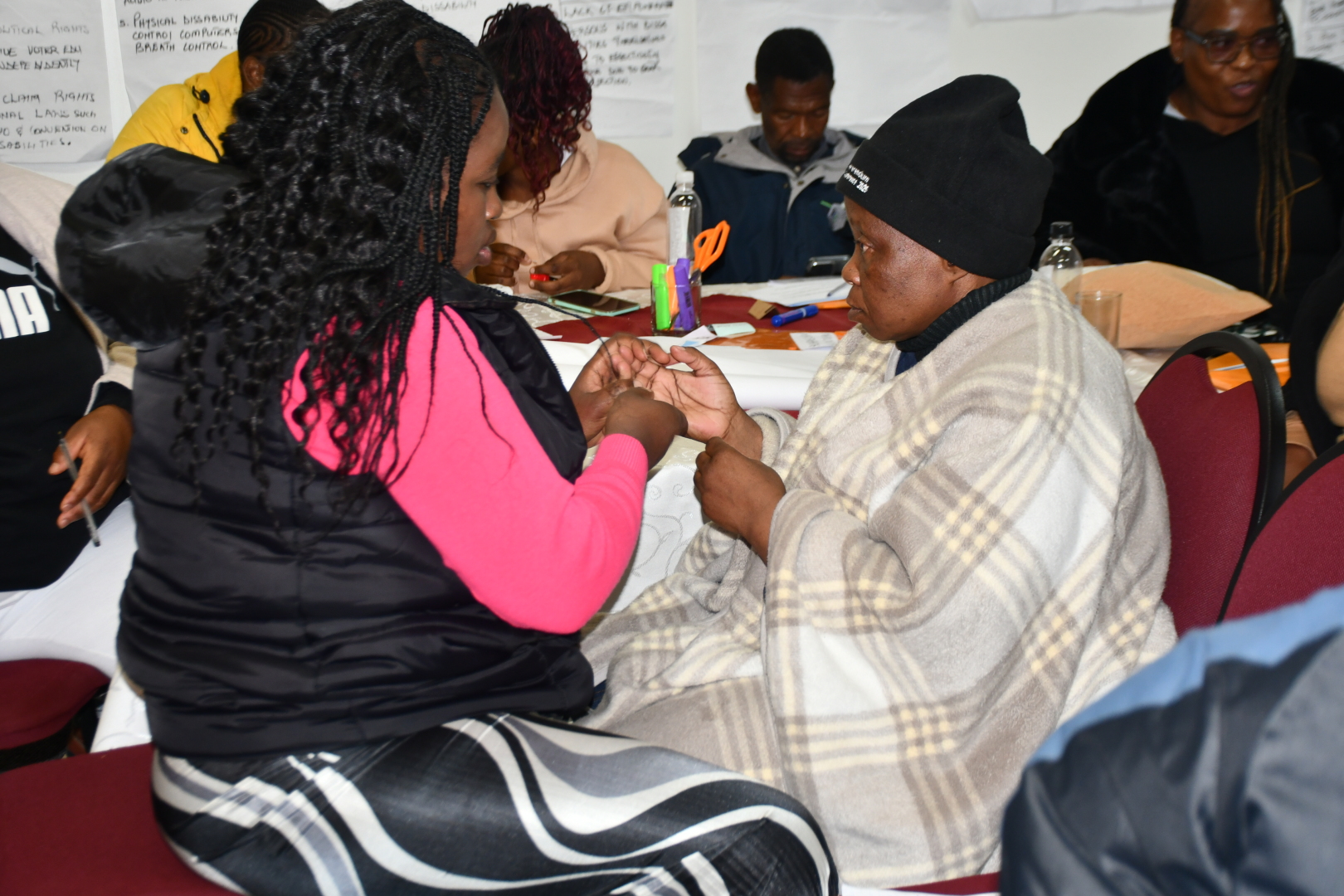
About 25 participants attended this training together with guides and sign language and tactile interpreters for both visually impaired and deaf and dumb including deaf and blind. Their age ranged between 21 to 50 years, and most were between 21 and 27years.
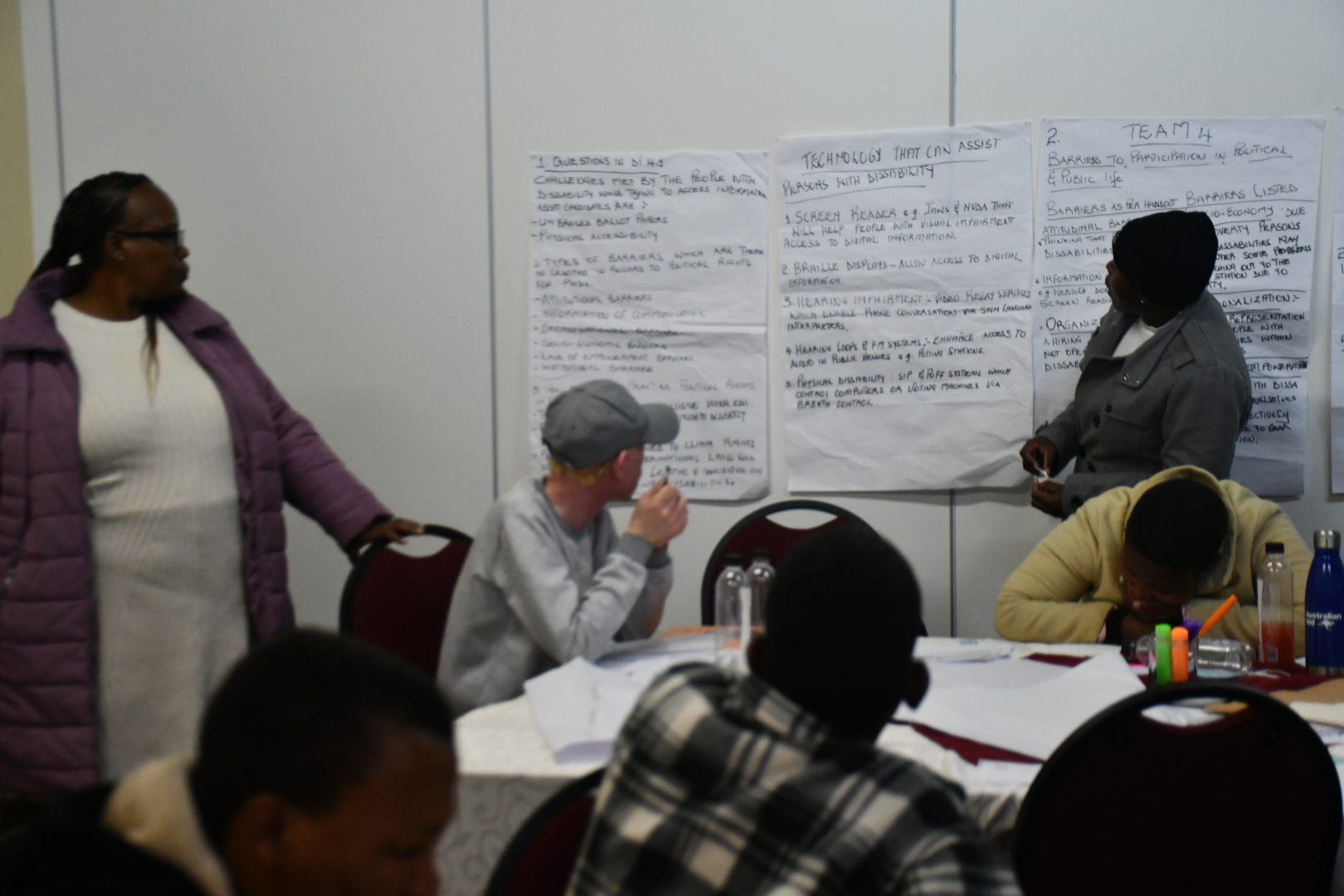
Participants were introduced to the BRIDGE programme and its interactive learning format. The content learnt included reasonable accommodations in the context of registering, being nominated as candidates, and voting, inclusion of people with disabilities in aspects of the electoral cycle, including access to information as voters, candidates, voting station officers, permanent IEC officers and election observers. Drawing on key lessons and international best practices, the workshop highlighted challenges and barriers faced by people with disabilities. Among the lessons learnt were some standards and principles guide election administration and electoral cycle aligned with periodic elections featured in signposts of democracy which comprises pre-election, election period, and post-election phase.
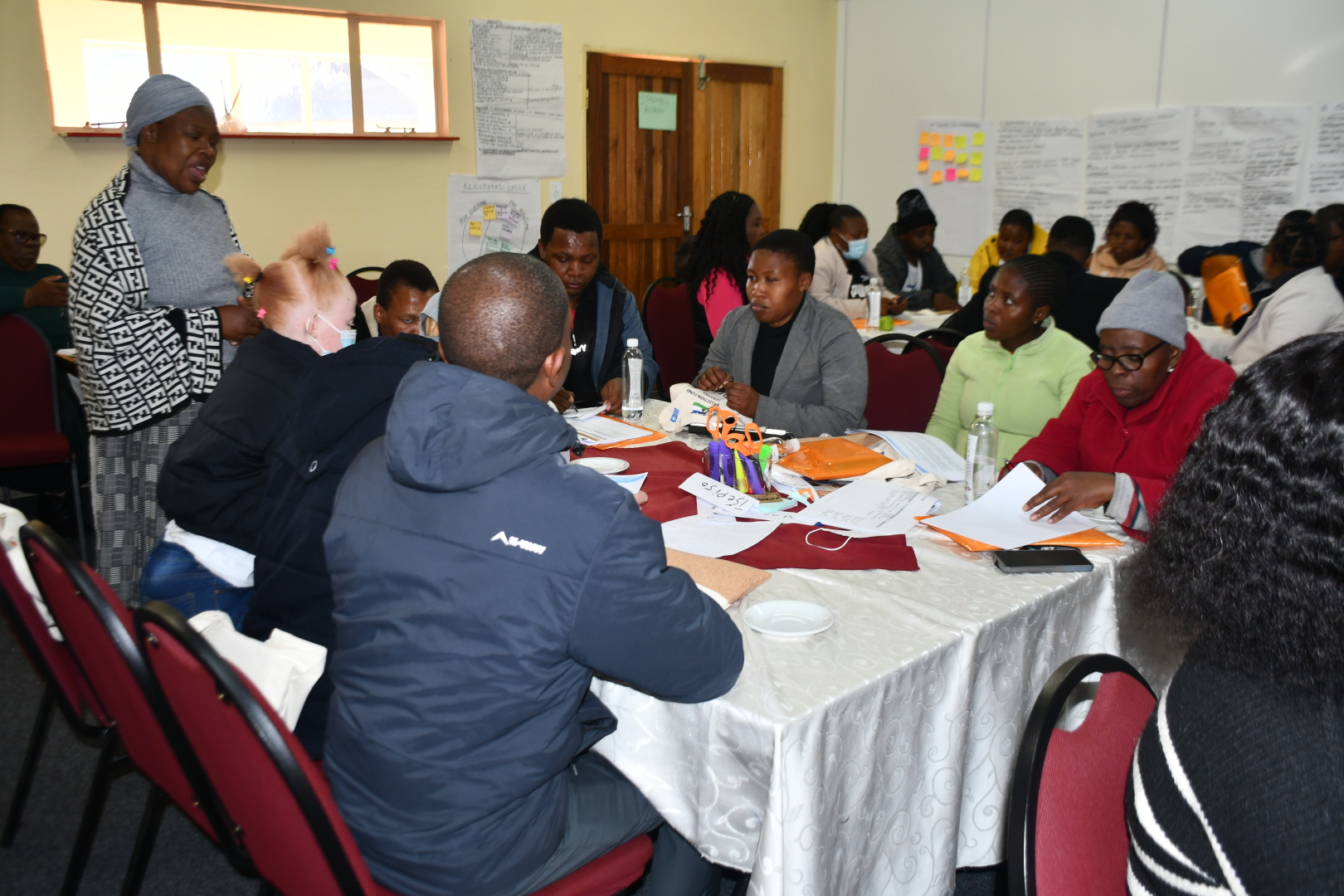
The training was delivered through BRIDGE’s interactive methodology, participants worked in groups, pairs, and trios to explore practical strategies for making elections more inclusive. The workshop emphasized the principles of the UN Convention on the Rights of Persons with Disabilities (CRPD) the first international convention that specifically addresses the human rights of people with disabilities and encouraging stakeholders to tackle barriers to participation and promote meaningful engagement of people with disabilities in all social and electoral activities. Among the instruments was the Persons with Disability Equity Act, 2021 through which there will be “ Persons with Disability Advisory Council” will be established to ensure equal opportunities and recognition of the rights of people with disabilities.
Over and above the information above, the course was highly appreciated by participants as an eye opener and a ground breaking tool to all participants for it managed to change their attitude towards elections and the EMB. In their view, they came to a realization that inclusive elections is not the sole responsibility of the IEC but also theirs as organisations of people with disabilities. They even created awareness on the tools that IEC can use for education and mobilization of people with disabilities.