Civic Education and Voter Information Workshop
30 September - 2 October 2026
Moldova (Republic of)
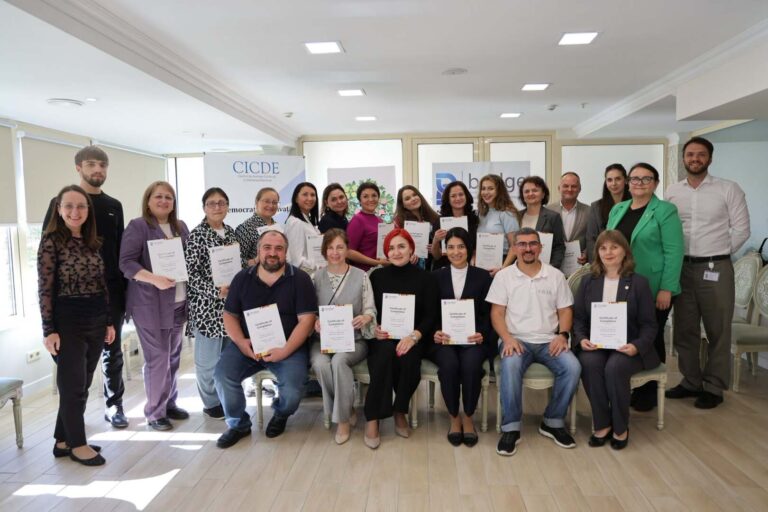
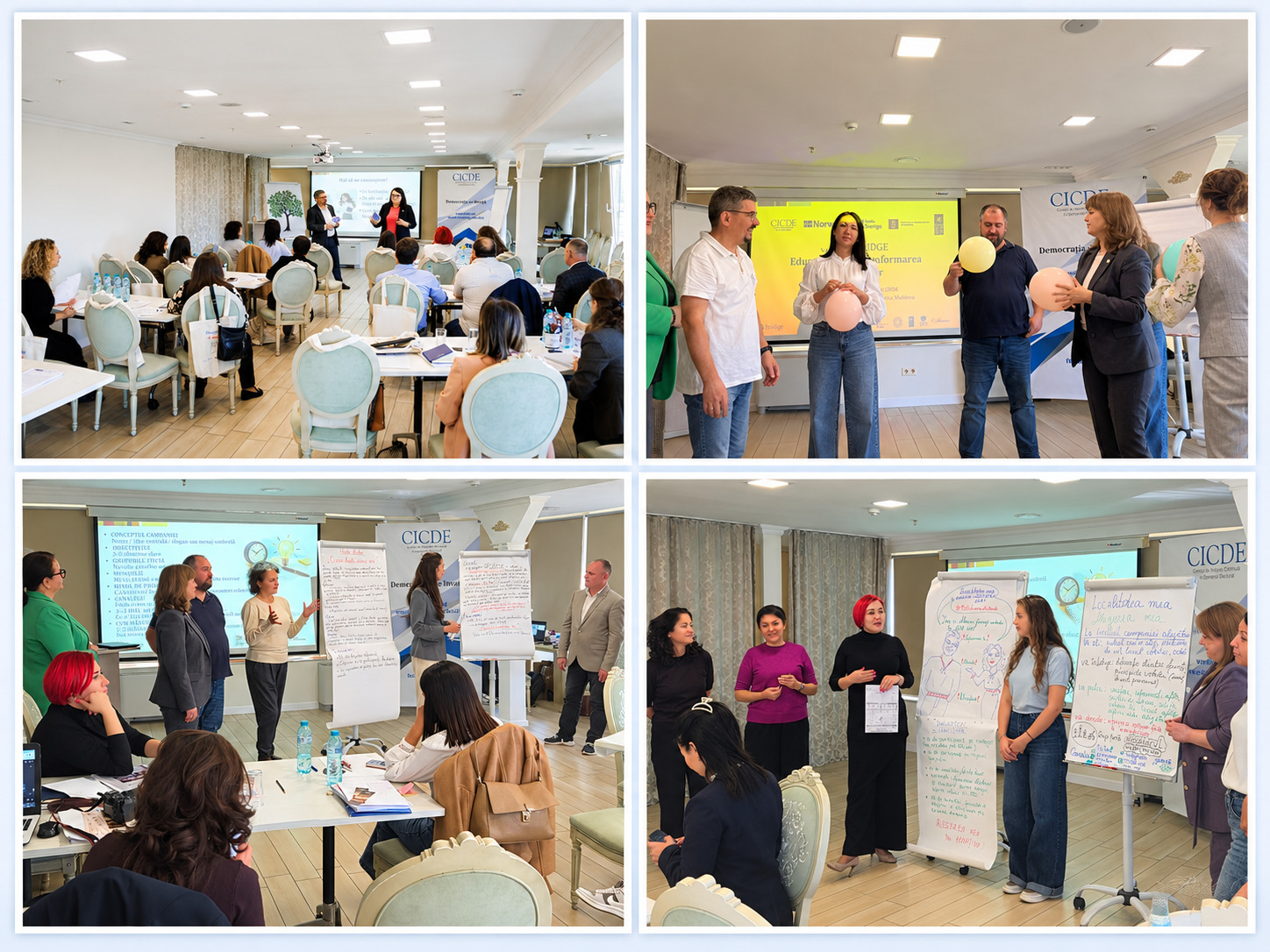
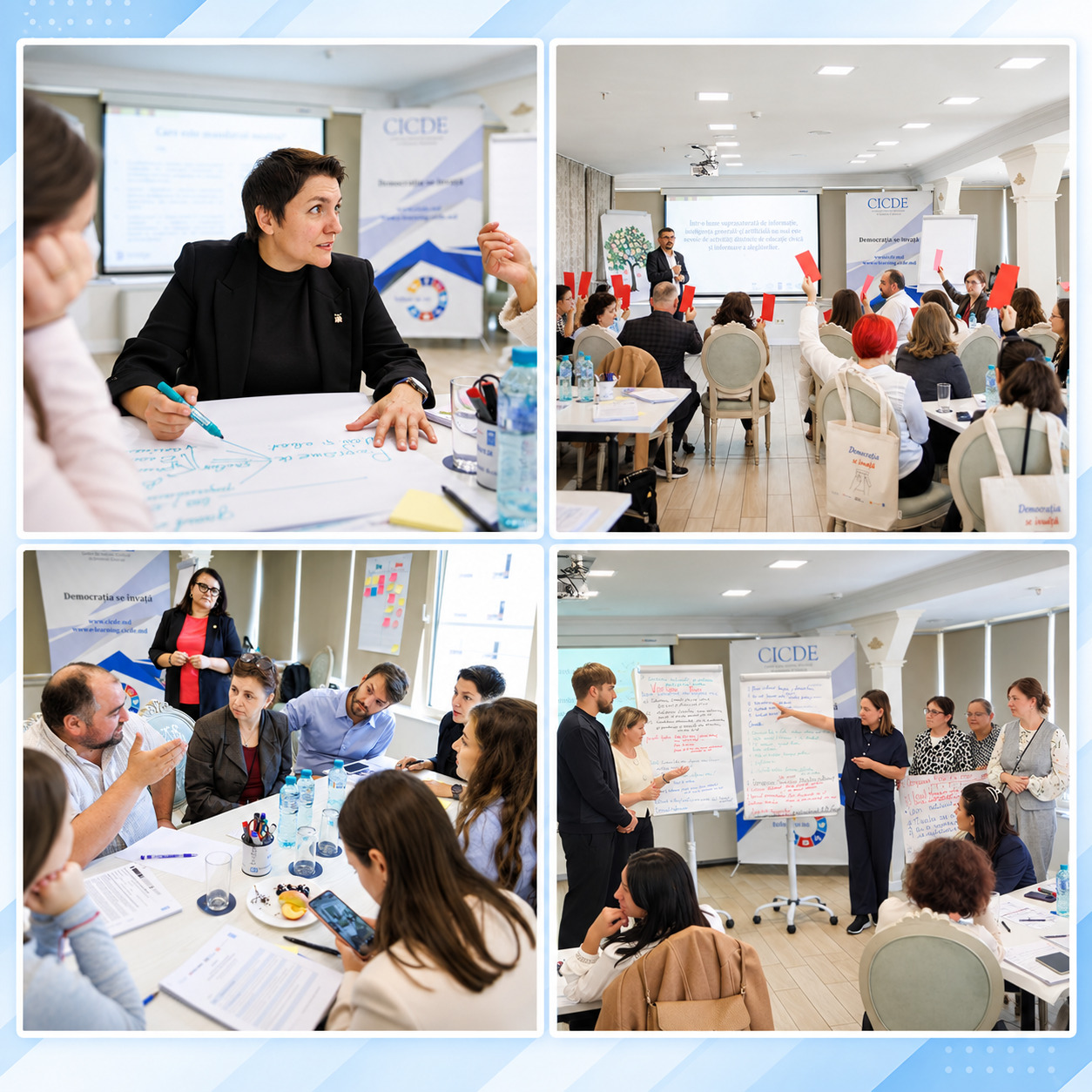
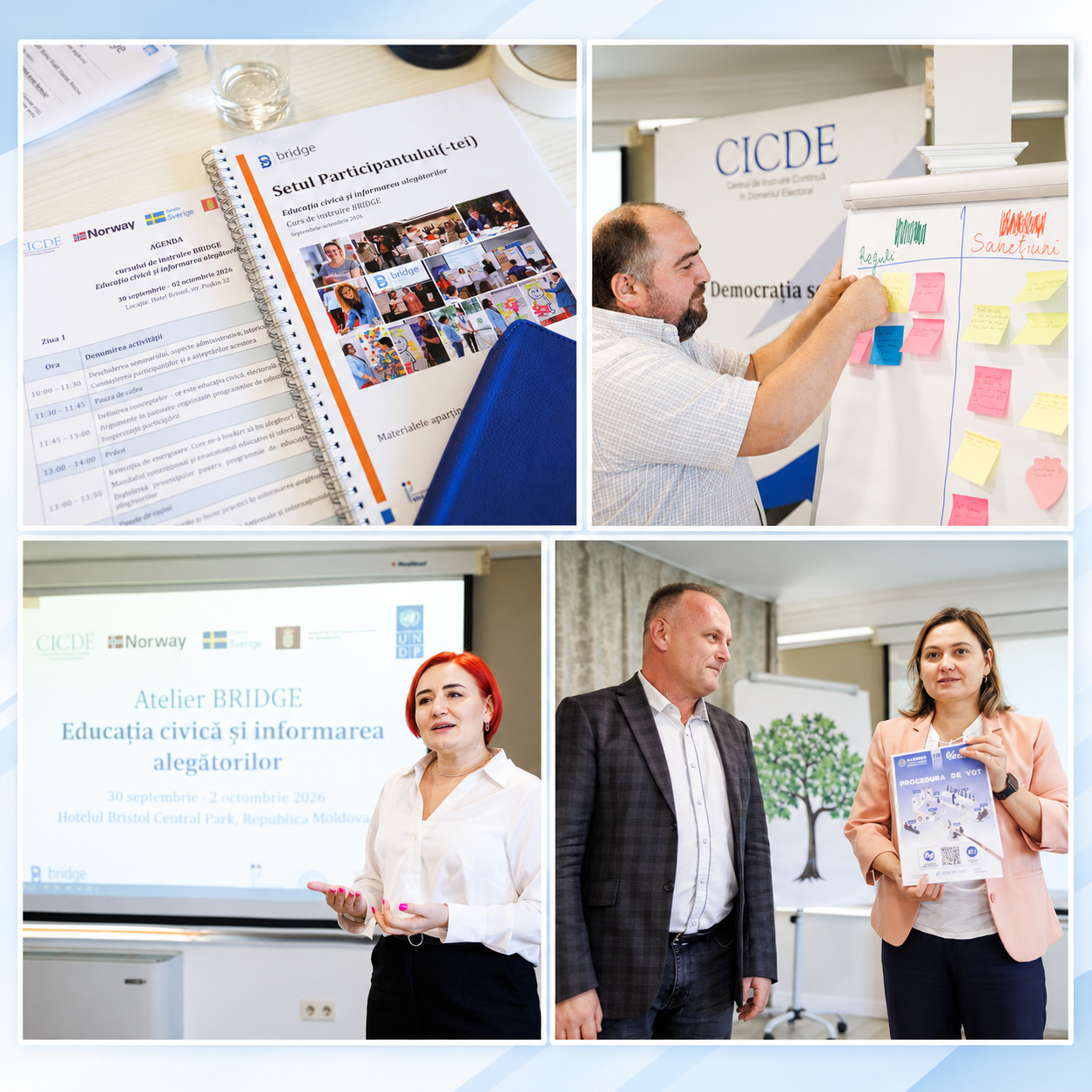
A three-day BRIDGE workshop on Civic Education and Voter Information was held in Chișinău from 30 September to 2 October 2026, bringing together 25 participants from electoral institutions, education, public administration and civil society.
The workshop was organised by the Centre for Continuous Electoral Training (CICDE) within the framework of the Strengthening Democratic Resilience in Moldova (EDMITE III) project, implemented by UNDP Moldova and funded by Norway, Sweden and Denmark.
The participants represented a particularly diverse group of institutions and professional backgrounds. They included staff of CICDE and the Central Electoral Commission (CEC), chairs of District Electoral Councils, librarians, teachers delivering the “Electoral Education” subject in schools, representatives of the Parliament Secretariat and civil society organisations.
This mix was central to the workshop approach. Bringing together electoral administrators, educators, community-based actors and civil society representatives allowed civic and voter education to be examined from different institutional, educational and community perspectives. It also created an opportunity to strengthen connections between stakeholders whose mandates and activities contribute in different ways to electoral education and informed participation.
The workshop was facilitated by Pavel Cabacenco and Rodica Sîrbu, BRIDGE accrediting and workshop level facilitators. The three-day programme followed a progressive learning sequence: establishing a common understanding of civic and electoral education and voter information; exploring how programmes and products are designed and implemented; and finally applying this knowledge through practical exercises focused on Moldova’s 2027 General Local Elections.
The first day focused on the foundations of civic education, electoral education and voter information. Participants explored the distinctions between these concepts, the rationale for investing in such programmes, the importance of participation, institutional mandates and the wider ecosystem of organisations involved in educating and informing voters.
The sessions also examined principles, standards and good practices, supported by case studies and examples from Moldova and other countries. This helped create a common language among participants coming from different professional environments before moving into the more applied parts of the programme.
On the second day, the focus shifted from what civic and voter education is to how effective programmes can be designed and delivered.
Participants worked through the stages of programme development and implementation and explored the preparation of civic and voter education materials, face-to-face activities and digital engagement. Sessions also addressed communication risks and sensitivities, factors that contribute to programme success, and approaches to monitoring and evaluation. Participants particularly highlighted programme planning, message development, digital communication, risk identification and monitoring and evaluation among the useful areas of learning.
The final day was designed around practical application. Participants first considered information and civic education strategies for the 2027 General Local Elections before moving into an ideas hackathon, where they worked in teams to co-create concrete solutions and products.
The teams subsequently presented their work, received feedback and discussed how the proposed ideas could be further developed and applied in practice.
The practical work resulted in three concepts for voter information and electoral education campaigns, targeting different audiences and using a range of communication channels, tools and information products.
Participant feedback showed a very high level of satisfaction with both the workshop content and its delivery. The workshop produced results extending beyond individual learning. By bringing together electoral authorities, educators, libraries, public institutions and civil society, it created a basis for continued cooperation around civic education and voter information.
With its practical work deliberately oriented towards the 2027 General Local Elections, the workshop demonstrated how the BRIDGE methodology can help transform individual experience and institutional knowledge into shared understanding, co-created solutions and practical ideas that can be further tested and developed ahead of the next electoral cycle.